Bottom line:
• Metal roofing is a durable, low-maintenance option for commercial buildings, available in standing seam and other panel systems.
• A qualified commercial metal roofing contractor evaluates building structure, drainage, and local weather exposure before recommending a system.
• Coastal and storm-prone properties benefit from metal roofing’s resistance to wind and moisture when installed and maintained correctly.
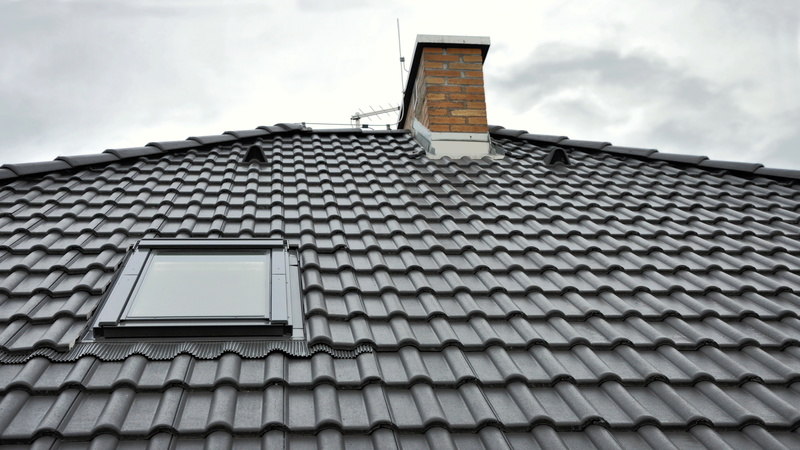
Property owners weighing roof replacement options often ask whether metal is worth the investment compared to membrane or shingle systems. A qualified Commercial metal roofing contractor Brunswick GA can assess a building’s structure, climate exposure, and budget to determine whether a metal system fits the property’s long-term needs.
Coastal commercial properties face particular pressure from humidity, salt air, and high winds. Alpha Roofing Services works with businesses across Georgia and South Carolina, where these conditions make material selection and installation quality especially important.
What Commercial Metal Roofing Involves
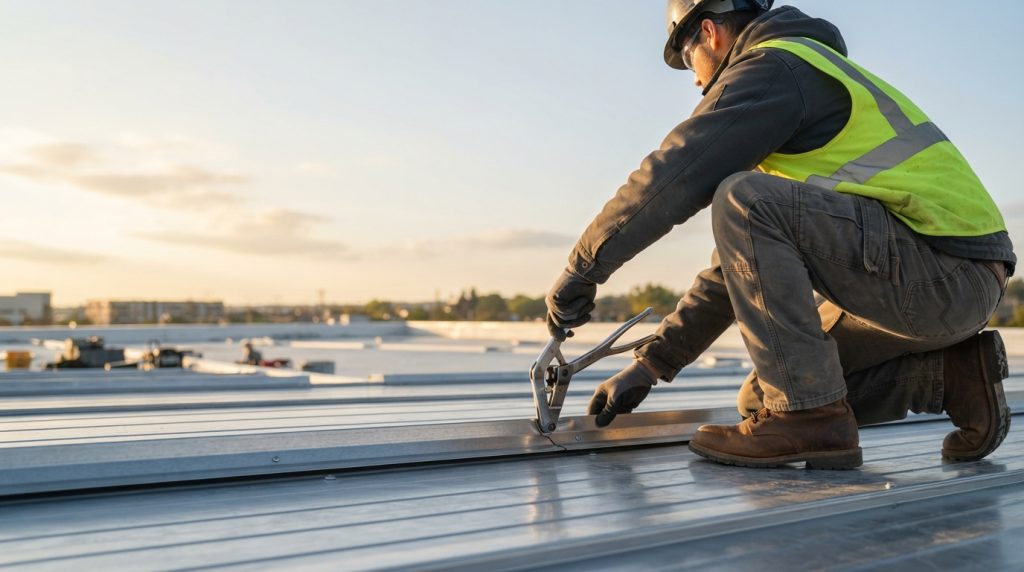
Metal roofing for commercial buildings typically means standing seam panel systems, though other configurations exist depending on the structure and slope. Key considerations include:
• Panel type and gauge – thicker gauges and premium finishes generally hold up better under repeated weather exposure.
• Slope compatibility – standing seam systems can often be used on lower slopes than traditional panel roofing.
• Fastening method – concealed-fastener systems reduce exposed penetration points that can lead to leaks over time.
• Coating and finish – factory-applied coatings affect both appearance and long-term corrosion resistance.
A contractor familiar with regional weather patterns can match these specifications to a building’s actual exposure rather than applying a one-size-fits-all approach.
Metal Roofing Versus Other Commercial Systems
Property managers often compare metal against flat membrane roofing such as TPO before deciding on a replacement. Each system has distinct tradeoffs in slope compatibility, maintenance needs, and upfront cost.
| Factor | Metal Roofing | TPO/Flat Membrane |
| Best slope application | Low to steep slope | Flat or low-slope only |
| Maintenance frequency | Lower, periodic inspections | Routine seam and drainage checks |
| Wind/storm resistance | Strong when properly installed | Moderate, depends on attachment method |
| Common finish options | Standing seam, painted panels | White or reflective single-ply |
Reflective finishes on metal panels can also support energy efficiency goals. According to the U.S. EPA ENERGY STAR Roof Products program requirements, coated steel and aluminum panels can be engineered with corrosion-resistant coatings and color finishes that meet recognized solar reflectance criteria for roofing products.
What to Expect From the Installation Process
A straightforward installation sequence helps property owners anticipate timelines and avoid surprises.
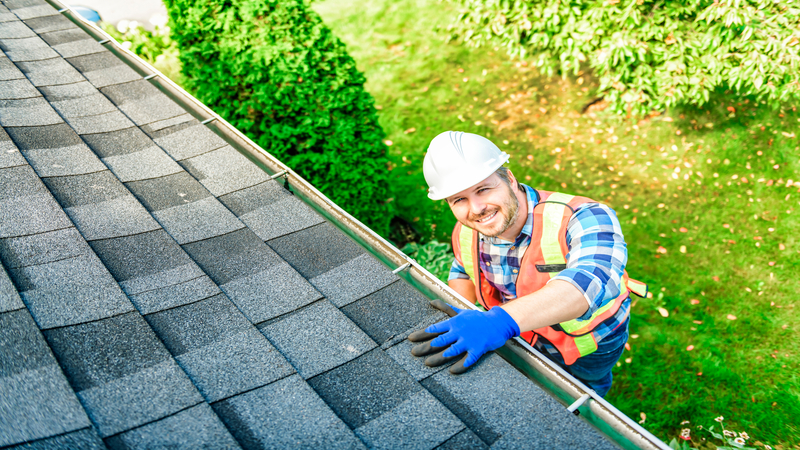
1. Initial inspection – the contractor reviews the existing roof deck, structure, and any signs of prior water damage.
2. System recommendation – panel type, gauge, and finish are selected based on the building’s slope and regional exposure.
3. Tear-off or overlay decision – some projects allow installation over existing roofing, while others require full removal.
4. Installation and flashing detail work – proper flashing at seams, penetrations, and edges is critical to preventing leaks.
5. Final walkthrough – a completed project should include a review of workmanship and any warranty documentation.
Choosing a Qualified Contractor
Not every roofing company has equal experience with metal systems on commercial structures. Property owners should look for:
• Documented experience with standing seam or panel metal systems on commercial buildings.
• Familiarity with local wind and moisture exposure, particularly in coastal or storm-prone regions.
• Clear communication about material options, including gauge and finish tradeoffs.
• Willingness to provide a written scope of work before any tear-off begins.
Frequently Asked Questions
Is metal roofing a good fit for every commercial building? Metal roofing works well for a wide range of slopes and structures, but a site evaluation is the only reliable way to confirm fit for a specific building and budget.
How often should a commercial metal roof be inspected? Routine seasonal inspections help catch fastener movement, flashing wear, or coating damage before they become larger repair issues.
Can a metal roof be installed over an existing roof? In some cases, overlay installation is possible, but this depends on the condition of the existing structure and deck as assessed by the contractor.
Does metal roofing help with energy costs? Panels with reflective, coated finishes can support energy efficiency goals, particularly when selected according to recognized roofing performance standards.
Next Steps for Property Owners
Choosing a roofing system for a commercial property is a long-term decision that affects maintenance costs, energy performance, and building protection for decades. Alpha Roofing Services is a roofing contractor serving commercial and residential properties across coastal Georgia and South Carolina, offering inspections, repairs, and installation services. Property owners considering a roof evaluation or replacement can Visit Website to learn more about scheduling an inspection or discussing project details.