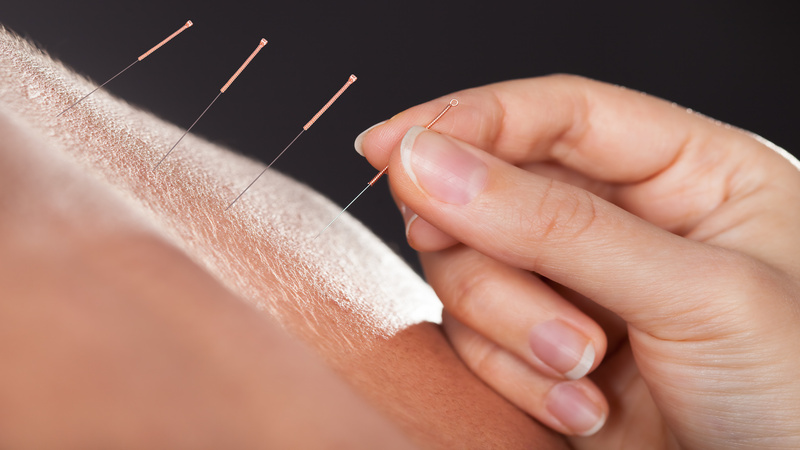
Acupuncture may help manage everyday pain by stimulating specific points on the body with thin needles, a practice associated with reduced pain intensity and improved physical function in recent clinical research. For residents dealing with recurring back strain, tension headaches, or joint stiffness, it offers a non-drug option worth understanding before deciding if it fits a personal pain management plan.
Many people searching for acupuncture for pain in Union City, CA are looking for an alternative to medication-based pain relief or a complement to physical therapy. The practice has roots in Traditional Chinese Medicine but has also been studied extensively through modern clinical trials, giving patients both a traditional and evidence-informed rationale for trying it.
What the Research Says About Acupuncture and Pain
Pain is one of the most common reasons people seek acupuncture, and recent research gives a clearer picture of what to expect.
- A large NIH-funded trial published in September 2025 found that older adults with chronic low back pain who received acupuncture had less disability and reduced pain intensity compared to those receiving usual medical care alone, according to the national institute of neurological disorders and stroke.
- The same NIH research summary reported that the acupuncture groups also had reduced pain intensity and greater physical function after six months.
- Acupuncture treatment was associated with fewer anxiety symptoms as well, and adverse effects were few and similar between groups.
These findings matter because low back pain, neck tension, and joint discomfort are among the most frequent complaints driving adults to seek non-pharmacological treatment options.
Common Pain Concerns Acupuncture May Address
Pain management through acupuncture typically targets a range of musculoskeletal and tension-related issues rather than a single condition.
- Lower back pain – one of the most studied applications, with recent trials showing measurable improvement in function.
- Neck and shoulder tension – often linked to prolonged computer use or poor posture.
- Joint stiffness – including knee or hip discomfort that limits mobility.
- Headaches and tension-related pain – sometimes addressed alongside stress-reduction techniques.
Clinics in the Fremont and Tri-City area, including those serving Union City residents, commonly pair acupuncture needling with complementary techniques such as cupping, gua sha, or therapeutic massage to address muscular tension alongside the needling itself.
What a Pain-Focused Acupuncture Visit Typically Involves
A first visit usually starts with a conversation about the pain history, followed by a physical assessment before any needles are placed.
| Step | What Happens | Typical Focus |
| Intake | Discussion of pain location, duration, and triggers | Personalized treatment plan |
| Needling | Thin needles placed at targeted points | Pain-specific acupoints |
| Complementary care | Optional cupping, gua sha, or massage | Muscle tension relief |
| Follow-up | Progress check and plan adjustment | Long-term pain management |
Sessions vary by practitioner and individual needs, so the exact structure can differ from one clinic to another.
Choosing a Pain-Focused Acupuncture Provider
Not every acupuncture practice emphasizes pain management in the same way, so it helps to know what to look for.
- Licensed acupuncturists (L.Ac.) with experience treating musculoskeletal pain.
- Clinics that offer complementary modalities like therapeutic massage or dry needling alongside acupuncture.
- A calm, clean treatment environment, since comfort during sessions can affect the overall experience.
- Clear communication about what each session will involve before treatment begins.
Revive Acupuncture, a clinic founded in Fremont that also serves the nearby Union City community, offers acupuncture along with therapeutic massage and other Traditional Chinese Medicine techniques as part of its approach to pain-related concerns. Patients researching options locally often compare practitioner experience, treatment variety, and overall clinic atmosphere before scheduling a first visit.
Frequently Asked Questions
Does acupuncture hurt? Most people describe acupuncture needles as causing minimal discomfort, often just a brief pinprick sensation or mild pressure as the needle is placed.
How many sessions are typically needed for pain relief? This varies by individual and condition. Research like the 2025 NIH-funded trial measured outcomes at three, six, and twelve months, suggesting a treatment plan spanning several sessions over time tends to show better results than a single visit.
Is acupuncture safe for chronic pain? Recent clinical trial data found that adverse effects were few and similar between groups receiving acupuncture versus usual care, suggesting it is generally well tolerated when performed by a licensed practitioner.
Can acupuncture be combined with other pain treatments? Yes. Many patients use acupuncture alongside physical therapy, massage, or standard medical care rather than as a sole replacement, and clinics offering multiple modalities can help coordinate that approach.
Pain that lingers or interferes with daily activity deserves a thoughtful, informed response, and acupuncture is one option increasingly backed by clinical research rather than tradition alone. For residents in Union City weighing their choices, learning about the practice, the evidence, and what a session actually involves is a practical first step. Those interested in scheduling a consultation can find more information through Revive Acupuncture and its listed services.