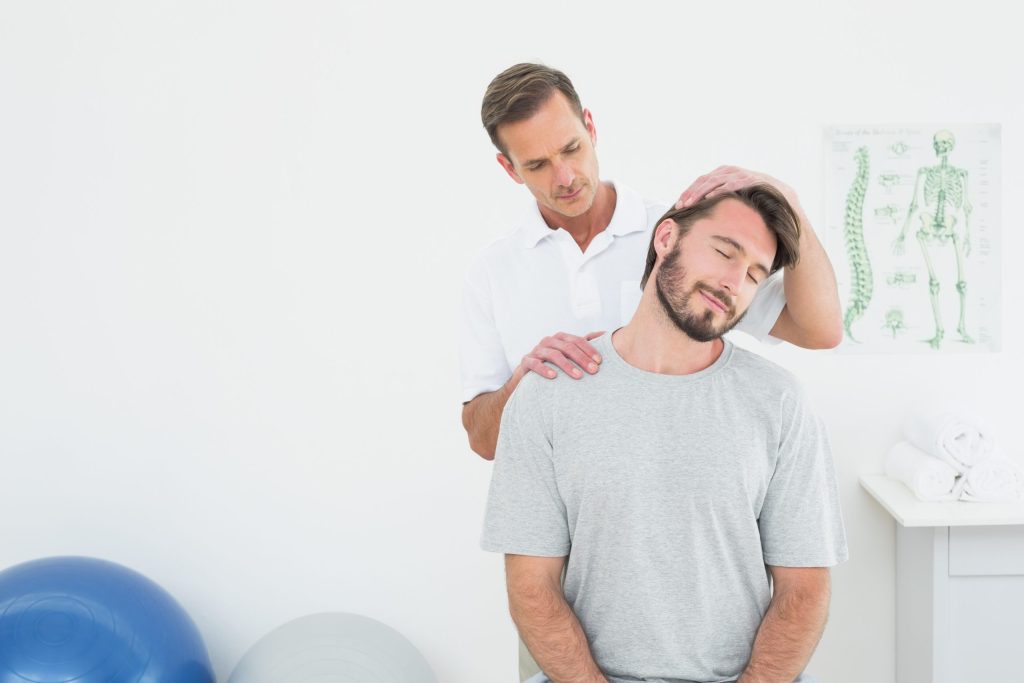
Nerve pressure in the neck can create symptoms that extend far beyond simple discomfort. Many individuals in Richmond, VA, experiencing these issues may explore options such as spinal decompression, chiropractic care, or visiting a neck pain chiropractor to better understand the source of their symptoms.
Rather than staying localized, nerve-related problems in the cervical spine can affect the shoulders, arms, and hands, making everyday movements more difficult over time.
What Causes Nerve Pressure in the Neck?
The cervical spine contains nerves that branch out from the spinal cord and travel throughout the upper body. These nerves rely on proper spacing and alignment within the spine to function normally.
Nerve pressure can occur when:
- Spinal discs compress or shift position
- Vertebrae move out of optimal alignment
- Surrounding tissues become inflamed
- Joint restrictions reduce available space for nerves
When this pressure builds, it can interfere with normal nerve signaling and lead to a range of symptoms.
What Does Nerve Pressure in the Neck Feel Like?
Nerve pressure can produce sensations that feel different from typical muscle soreness or stiffness. These symptoms are often described as more intense, persistent, or widespread.
Common sensations include:
- Tingling or “pins and needles” in the arms or hands
- Burning or sharp pain that travels downward
- Numbness in certain areas of the upper body
- Weakness or reduced grip strength
In many cases, the discomfort does not stay in the neck but follows the path of the affected nerve, making it more noticeable during certain movements.
Why Do Symptoms Travel Into the Arms and Hands?
The nerves that exit the cervical spine control sensation and movement in the upper body. When one of these nerves is compressed, the effects can be felt anywhere along its pathway.
This is why individuals may experience:
- Shoulder discomfort linked to neck movement
- Pain that radiates into the arms
- Changes in sensation in the fingers
This pattern of radiating symptoms is a key indicator that nerve involvement may be present rather than isolated muscle tension.
How Is Nerve Pressure Different From Muscle-Related Neck Pain?
Muscle-related neck pain typically remains localized and may improve with rest or basic stretching. Nerve pressure, however, often presents differently and may persist despite these measures.
Key differences include:
- Nerve-related symptoms travel beyond the neck
- Sensations may include numbness or tingling
- Movement may trigger or worsen symptoms
- Discomfort may not improve with rest alone
Recognizing these differences can help individuals better understand when additional evaluation may be necessary.
How Does Spinal Decompression Help Relieve Nerve Pressure?
Spinal decompression is a non-invasive approach designed to reduce pressure within the spine. By gently creating space between vertebrae, it may help relieve compression on affected nerves.
This process can support:
- Reduced pressure on spinal discs
- Improved circulation to affected areas
- Better overall spinal function
By addressing the mechanical cause of nerve pressure, spinal decompression may contribute to improved comfort and mobility over time.
What Role Does Chiropractic Care Play?
Chiropractic Care focuses on improving spinal alignment and joint movement. A chiropractor evaluates how different parts of the spine are functioning and identifies areas that may be contributing to nerve pressure.
Chiropractic care may help:
- Restore mobility in restricted joints
- Improve alignment in the cervical spine
- Reduce tension that contributes to compression
- Support overall spinal balance
When combined with spinal decompression, this approach can address both alignment and pressure-related concerns.
When Should Someone See a Neck Pain Chiropractor?
A neck pain chiropractor may be considered when symptoms suggest nerve involvement rather than simple muscle strain.
Signs that may require attention include:
- Persistent tingling or numbness in the arms
- Pain that radiates from the neck into the upper body
- Weakness that affects daily activities
- Symptoms that continue to worsen over time
Early evaluation can help identify the underlying cause and guide appropriate care.
How Can Daily Habits Influence Nerve Pressure?
Daily routines can either contribute to or reduce stress on the cervical spine. Small changes in posture and movement can make a meaningful difference over time.
Helpful habits include:
- Maintaining proper posture while working or using devices
- Taking breaks to move and stretch throughout the day
- Setting up ergonomic workspaces
- Avoiding prolonged positions that strain the neck
These adjustments can help reduce the risk of ongoing pressure and support better spinal function.
Understanding Options for Nerve-Related Neck Symptoms
Nerve pressure in the neck can significantly affect comfort and mobility, especially when symptoms extend into the arms and hands. Addressing the root cause of this pressure is key to improving long-term function and reducing recurring discomfort.
For individuals in Richmond, VA, looking to better understand their options, exploring approaches such as nerve pressure relief care can provide helpful insight into how spinal decompression and chiropractic care may support improved spinal health over time.