Routine HVAC maintenance matters most in Chaska because Minnesota homes cycle between demanding summer cooling and brutal winter heating loads every year, and a system that is not serviced regularly tends to fail at the worst possible time. Scheduling seasonal checkups before peak demand hits is the most reliable way to avoid an emergency repair call in January or during a July heat wave.
Homeowners searching for dependable HVAC Services in Chaska, MN are usually trying to solve one of two problems: a system that already feels unreliable, or a desire to prevent costly breakdowns before they start. Routine maintenance addresses both, and it is the foundation that every other HVAC service builds on, from repairs to full equipment replacement.
Why Preventive Maintenance Protects Minnesota Homes
Minnesota’s seasonal extremes put real strain on heating and cooling equipment. A furnace that runs for months straight during winter, followed by an air conditioner working overtime in summer humidity, needs consistent upkeep to avoid premature wear.
The federal government’s own guidance on home comfort systems reinforces this. According to ENERGY STAR’s HVAC maintenance guidance, homeowners should get annual pre-season checkups, scheduling a cooling system checkup in spring and a heating system checkup in fall, since contractors get busiest once the seasons actually change. The same guidance notes that a dirty air filter forces the system to work harder, which raises energy costs and can lead to early equipment failure.
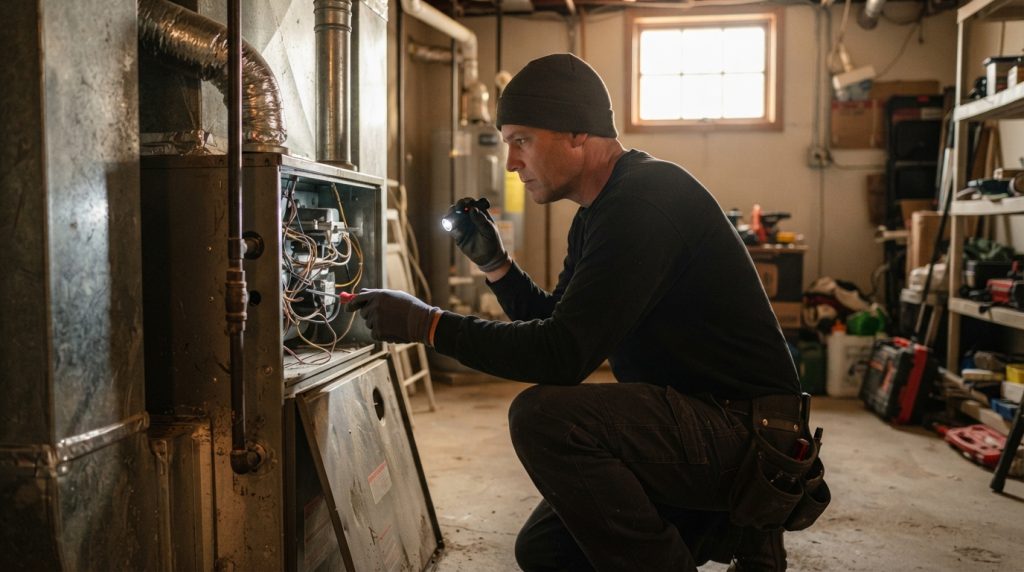
Professional seasonal tune-ups typically include:
- Inspecting and tightening electrical connections
- Lubricating moving parts to reduce friction and wear
- Checking the condensate drain for blockages
- Cleaning evaporator and condenser coils
- Verifying refrigerant levels on cooling systems
- Testing furnace burners, gas connections, and the heat exchanger
What Routine Maintenance Actually Delivers
Skipping maintenance does not just risk a sudden breakdown. It quietly drains efficiency and shortens the life of expensive equipment.
Lower operating costs. A system working harder to compensate for dirty components or low airflow uses more energy for the same comfort level.
Fewer emergency repairs. Catching a worn part or a small refrigerant leak during a scheduled visit is far less disruptive than a mid-winter furnace failure.
Longer equipment lifespan. Furnaces, boilers, and air conditioners that receive regular professional attention tend to hold up better over years of Minnesota weather swings than units left unchecked.
Consistent indoor comfort. Balanced airflow and properly calibrated controls mean fewer hot or cold spots throughout the home.
| Maintenance Approach | Typical Outcome | Best For |
| No scheduled maintenance | Higher breakdown risk, rising energy bills over time | Homeowners willing to accept reactive repairs |
| DIY filter checks only | Some efficiency protection, but misses mechanical and safety issues | Budget-conscious homeowners with newer systems |
| Seasonal professional tune-up | Full inspection of electrical, mechanical, and combustion components | Most Minnesota households with furnaces and central AC |
Seasonal Maintenance Tasks Homeowners Can Handle
Not every maintenance task requires a technician. Some basic upkeep between professional visits keeps a system running smoothly and can flag problems early.
- Check and replace air filters on a monthly basis during heavy-use seasons.
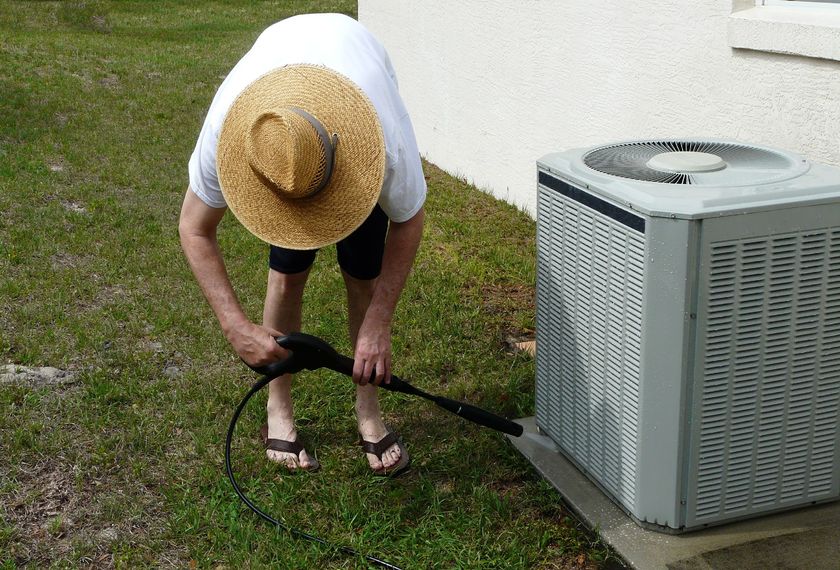
- Keep outdoor condenser units clear of leaves, grass clippings, and debris.
- Verify that vents and registers are not blocked by furniture or rugs.
- Listen for unusual noises from the furnace or air handler and note when they started.
- Review monthly energy bills for unexplained spikes, which can signal declining efficiency.
Tasks involving refrigerant, gas connections, or the heat exchanger should always be left to a licensed technician, since these involve safety risks beyond typical homeowner tools or training.
Choosing a Local HVAC Partner in Chaska
A maintenance plan is only as good as the technician performing it. Homeowners should look for a provider with documented experience on furnaces, boilers, and air conditioning systems, transparent pricing, and availability during the seasons when breakdowns are most likely.
Total Home Solutions, based in nearby Jordan, provides heating and cooling maintenance, repair, and installation for homeowners across the Chaska area and the greater Twin Cities metro. The company offers furnace, boiler, and air conditioning service along with emergency HVAC support for situations that cannot wait for a scheduled appointment.
Frequently Asked Questions
How often should a Chaska homeowner schedule HVAC maintenance?
Most homes benefit from two professional visits a year: one for the cooling system in spring and one for the heating system in fall, timed to catch issues before peak seasonal demand.
What happens if I skip routine maintenance for a year or two?
Deferred maintenance tends to show up as higher energy bills, uneven heating or cooling, and a greater chance of a mid-season breakdown that requires an emergency repair instead of a planned visit.
Can I do any maintenance myself between professional visits?
Yes. Filter changes, keeping the outdoor unit clear of debris, and watching for unusual noises or energy bill spikes are reasonable homeowner tasks, while refrigerant and combustion checks require a licensed technician.
Does routine maintenance really extend the life of a furnace or AC unit?
Consistent upkeep addresses the small mechanical and electrical issues that otherwise accumulate and force a system into premature failure, which is why manufacturers and energy agencies both recommend it as standard practice.
Chaska homeowners who treat HVAC maintenance as a routine part of homeownership, rather than an afterthought, tend to spend less on repairs and deal with fewer surprises during Minnesota’s harshest weather. For households ready to schedule a seasonal tune-up or address a system that has been overdue for attention, Total Home Solutions offers local heating and cooling service built around the demands of Minnesota’s climate.